
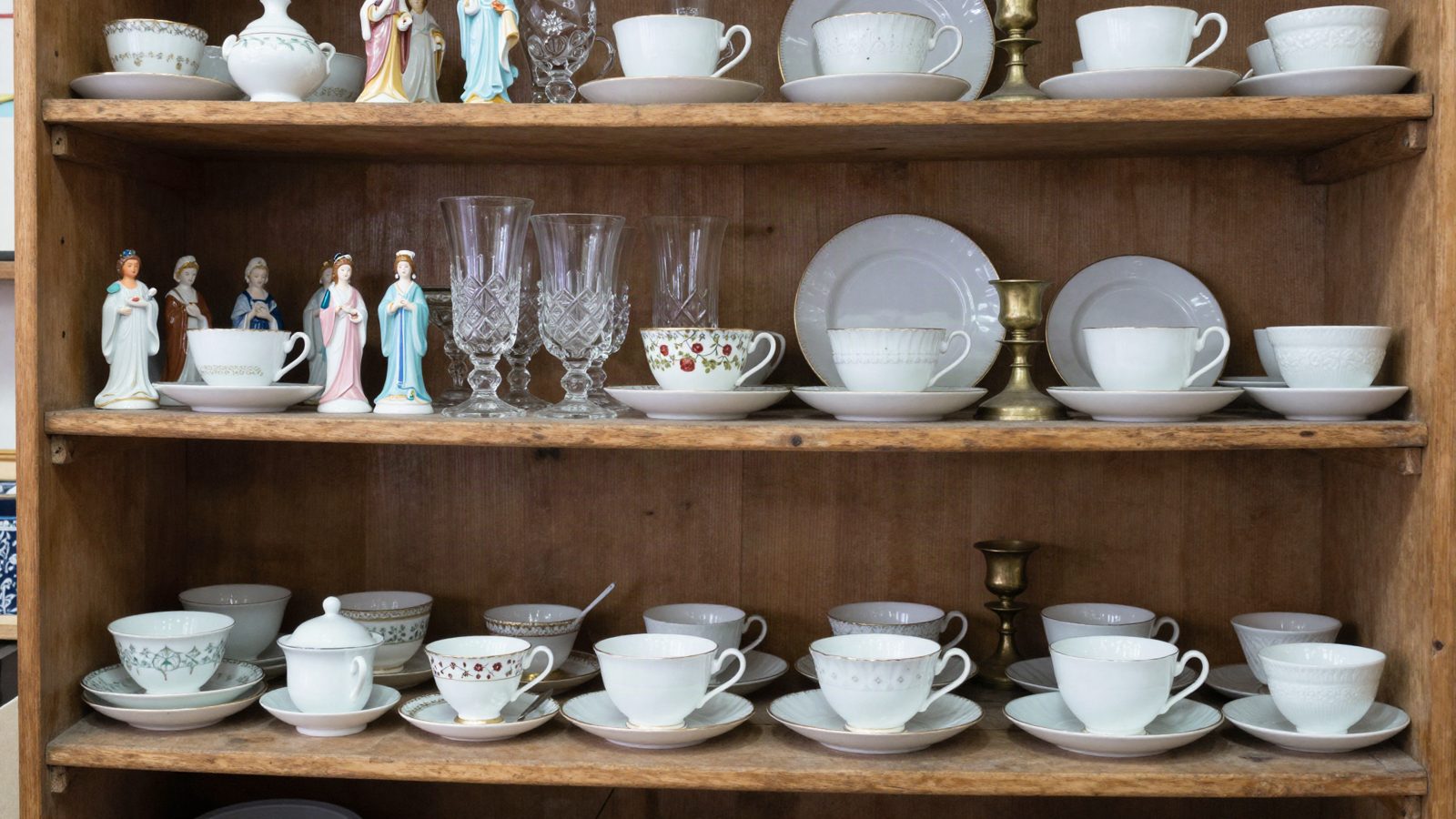
Every so often a donation turns up that is worth far more than it looks. Spotting these items is one of the best ways to boost a shop’s income, and you don’t need to be an expert to know when to look twice.
Studio and collectable pottery
Turn ceramics over and check the base. Maker’s marks, signatures and impressed stamps can turn a plain-looking vase into a valuable piece. Names to look out for include Moorcroft, Troika, Clarice Cliff and many studio potters. Even common makers have some patterns that are highly collected.
Designer clothing, shoes and bags
Check labels on coats, jackets and dresses. Luxury and premium brands can sell for many times the price of high-street clothing, especially outerwear and leather. Designer bags and trainers are also valuable, but they are often faked, so get them checked.
Vintage toys and model railways
Older toys, model trains, die-cast cars and games can be very collectable, especially in their original boxes. Complete sets are worth more than loose pieces.
Books
Most books sell for a pound or two, but first editions, signed copies and some older children’s books can be valuable. Check the copyright page and look for signatures.
Musical instruments and audio equipment
Guitars, vintage hi-fi and older cameras can all fetch good prices. Brand and model matter a great deal, so look for a model number.
Watches and jewellery
Look for hallmarks on gold and silver, and maker’s names on watch dials and backs. Jewellery is easy to undervalue, so set aside anything that might be precious metal.
The rule of thumb
If an item is old, signed, marked, branded or unusual, take a moment before you price it. A quick check can make the difference between £3 and £300.
Let the app spot them
PricedRight asks volunteers to photograph the base or label, and its AI reads maker’s marks, brands and model numbers to find what the same item actually sold for. Designer items are flagged for an expert check, so the special pieces get the price they deserve.